


Tapestries: The Complete Guide To Types, Styles, Origins
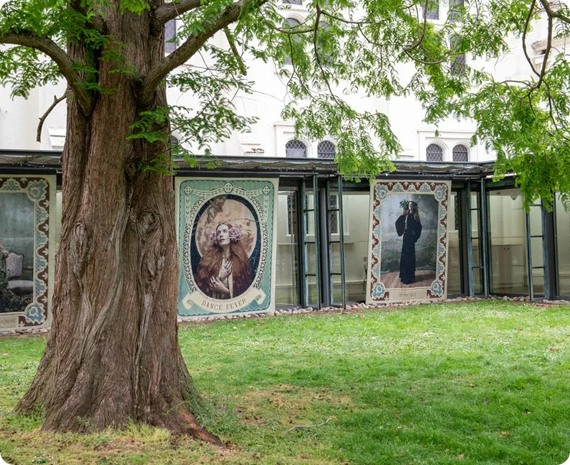
Tapestries are woven textile artworks designed to be displayed on walls or used as prominent decorative features in homes, galleries, and commercial interiors. Unlike printed fabrics or flat wall art, tapestries are created through intricate weaving techniques that interlace threads to form detailed patterns, scenes, and textures. These are widely available in many forms, ranging from nature-inspired designs and classic European compositions to contemporary and abstract styles, making them suitable for both traditional and modern settings.
To understand how these variations take shape, this blog examines the origins of tapestry art, the different types and styles available, and the design characteristics that distinguish one category from another.
Tapestries at a GlanceTapestries are woven textile artworks with origins dating back to ancient Egypt and later refined in medieval Europe as major decorative and functional elements. The content explains their historical development, popular styles such as floral, verdure, and Belgian tapestries, and modern applications across home décor, furnishings, wall art, and accessories, helping readers understand how to select tapestries that suit different interior spaces and design purposes. |
Tapestries Art Origin
Tapestry wall art began as a weft-faced handwoven textile, where colored weft threads cover the warp to create pictorial surfaces. Early examples appear in ancient Egypt (c. 2000 BCE) in burial contexts. Coptic textiles (3rd–7th centuries CE) added figural and symbolic imagery, influencing later traditions. Byzantine techniques spread across the eastern Mediterranean, supporting ecclesiastical and courtly uses. In medieval Europe (11th century onward), large tapestries adorned royal courts, churches, and noble homes, combining decoration, insulation, and portability. French and Low Countries workshops (Arras, Tournai, Brussels, Paris) elevated the craft, producing complex collaborative works like the unicorn tapestries, merging artistry, narrative, and symbolism.
Which Are The Most Popular Tapestry Styles?
Floral Tapestries
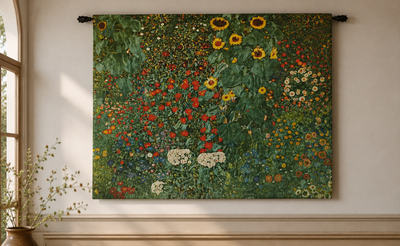
As is clear by name, floral tapestries are inclined towards flowers and vines. Such designs have a tendency towards focusing on beauty and texture by using nature to create contrasts and interesting effects, as opposed to telling a story or creating something by what they depict.
Belgian Tapestries
Belgian tapestries are renowned textile artworks traditionally woven in regions such as Brussels and Flanders, distinguished by intricate detailing, dense weaving techniques, and designs that translate fine painting into richly textured wall art.


Verdure Tapestries
The main focus of verdure tapestries is on thick plants, wooded areas, and wide natural scenes. These pieces focus on depth of space, tonal variety, and immersive environments, employing nature to make the visuals serene and the decorations big.
Still Life European Wall Tapestry
Woven in Europe using jacquard techniques, this style translates classic still life paintings into textile form. Featuring fruits, flowers, and symbolic objects, it brings historic Flemish and Dutch artistry, refined detail, and ornamental richness into interior spaces.
Types Of Tapestries Artwork
Tapestries are not used as wall hangings; you can also use them for:

Home & Living
- Bedspreads / Bed Covers: Large woven compositions spread across the bed, allowing patterns and motifs to function as a dominant artwork that anchors the bedroom’s visual layout.
- Table Runners: Elongated woven designs placed along tables, presenting artwork in a linear format that guides the eye and structures the surface visually.
- Curtains / Drapes: Vertical woven panels that display artwork through flowing patterns, turning windows into framed design elements within the room.
- Door Hangings / Torans: Compact woven pieces positioned at entrances, using decorative motifs to present artwork at transitional points of the home.
- Chair Covers / Seat Covers: Applied directly to seating areas, the artwork becomes part of daily-use furniture, adding visual detail without changing the original furniture design.
- Upholstery Panels: Instead of full coverage, artwork is introduced selectively on furniture sections, creating focal points while maintaining overall balance.
- Tapestry Floor Mats / Door Mats: Woven patterned surfaces placed at ground level. It presents artwork that defines entry zones and movement paths.
- Pillow covers: Woven tapestry pillow covers allow artwork to appear in smaller, repeatable formats that can be layered across sofas, beds, or chairs. Their compact scale makes intricate motifs, symbolic imagery, or textural patterns feel intimate and tactile.
Decorative Pieces
- Tapestry Panels / Art Pieces (Framed Or Stretched On Canvas): Mounted within frames or over canvas, the artwork is presented as a finished composition, giving walls a defined focal point with clear visual boundaries.
- Ceiling Tapestries / Canopy Tapestries:Overhead placement shifts attention upward, using fabric-based artwork to soften ceilings and create an immersive, enclosed atmosphere within the room.
- Room Dividers / Screens (With Tapestry Fabric): Instead of solid barriers, these pieces use artwork to separate areas visually, maintaining openness while defining zones through pattern and scale.
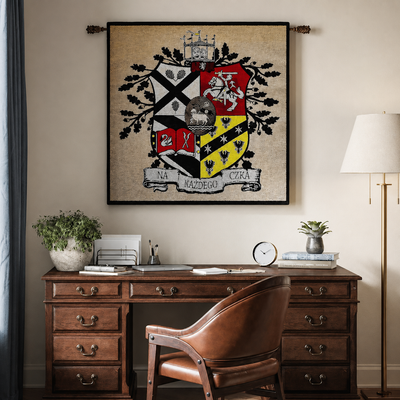
- Banner / Flag-Style Tapestries: This format relies on vertical or horizontal suspension, presenting artwork as a bold graphic element that emphasizes symbols, emblems, or narrative imagery.
- Altar / Meditation Cloths: Within focused personal spaces, artwork laid or hung here establishes a visual anchor that supports calm, intention, and ritual through controlled decorative presence.
Accessories For Tapestries
- Tapestry Rods: A tapestry rod is inserted through the sleeve or hanging channel at the back of a tapestry, then mounted onto wall brackets. This method supports the tapestry’s weight evenly, keeps it flat against the wall, and allows easy removal or repositioning without damaging the fabric.
- Hanging Clips / Clamps: By gripping the upper edge firmly, clips allow temporary or adjustable hanging without piercing delicate woven threads.
- Wall Hooks / Brackets: Installed directly into walls, brackets create stable support points that keep heavy textiles securely positioned.
- Backing Liners / Support Cloths: These are laid behind the main weave to provide additional support to its structure to combat the pull of gravity.
- Decorative Trims / Fringes: Painted on borders, the decorative trims create a complete effect, accentuating the defining features of the pieces.
- Mounting Hardware Sets: Mounting hardware sets (mounting brackets, screws, anchors) provide all of the required fasteners and anchors to ensure safe installation on almost all types of surfaces.
Conclusion
Now that you have this guide at hand, you can select tapestry pieces that fit your space perfectly. If you’re exploring a wide range of classic, contemporary, or customisable tapestry options, visiting Quality Tapestries can help you find thoughtfully crafted pieces designed according to your needs!
FAQS
Q1. What Is A Tapestry, And How Is It Different From Other Wall Hangings?
A tapestry is a hand-woven textile artwork where imagery is structurally formed on a loom using discontinuous weft threads. Unlike printed or embroidered tapestry wall hangings, its design is woven into the fabric, traditionally serving narrative and decorative purposes.
Q2. How Were Traditional Tapestries Originally Made?
Here is the process explaining how traditional tapestries were made:
-Warp threads stretched vertically on a loom
-Full-scale cartoon placed behind the warp
-Coloured weft woven horizontally in sections
-Discontinuous weft builds detailed imagery
-Finished textile shows design on both sides
Q3. What Areas Are Known For Their Historic Tapestry Weaving?
Flanders (now Belgium), France (especially the Gobelins and Aubusson centers), and sections of Italy are where historic tapestry weaving is most intimately linked. In these places, court patronage created refined weaving traditions.
Q4. What kinds of materials do people use to make tapestries these days?
These are commonly made using:
- Wool provides texture and durability,
- Cotton offers softness,
- Silk adds sheen,
- Linen contributes strength and a natural matte finish,
- Viscose enhances drape and colour depth,
- Polyester and acrylic fibres improve colour stability, strength, and ease of maintenance.
Related Articles
Share this
Author: Michael Blasingame

Michael Blasingame is the co-founder and driving force behind Quality Tapestries, where he brings over a decade of passion for timeless textile art and exceptional customer service to every tapestry offered. Growing up in Visalia, California, Michael cultivated a love for creativity, music, and craftsmanship that now informs his work and leadership at the company. Together with his wife Ashley, he manages the business with a focus on quality, personal connection with customers, and a commitment to products that become cherished pieces in homes worldwide.