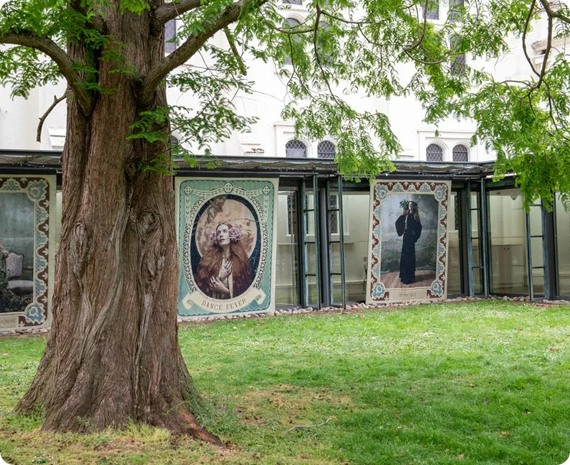



Family Crest Tapestry: An Ancestral Heritage Wall Piece for Homes
Ever wondered what it would be like to turn your family history into a statement piece for your home? That’s exactly what a family crest tapestry does. Blending centuries-old heraldic traditions with modern interior décor, these personalized wall hangings bring ancestral stories, symbols, and family pride into everyday living spaces. Once used across medieval Europe to identify noble families and represent their lineage, custom family crest tapestries have evolved into meaningful decorative pieces that help people stay connected to their roots while adding a unique touch to their homes.
But are family crest tapestries just a stylish décor trend, or do they carry a deeper connection to history and identity? In this guide, we'll break down where family crests come from, what their symbols actually mean, how these tapestries are made, and why more families are choosing to showcase their heritage through these timeless wall pieces.
Family Crest Tapestry OverviewFamily crest tapestries combine heraldic symbolism with traditional textile craftsmanship, transforming ancestral identities into meaningful wall art. Featuring elements such as shields, crests, supporters, mottos, and historic colour systems, these woven pieces trace their origins from medieval battlefields to grand castle halls. Beyond their historical significance as symbols of lineage, status, and alliances, they are experiencing renewed popularity today for their decorative appeal, acoustic benefits, connection to family heritage, and ability to create lasting heirlooms for future generations. |
Key Elements That Define a Family Crest Tapestry
Authentic custom Family Crest tapestries blend the legal, symbolic rules of heraldry with the intricate craftsmanship of textile weaving. Here are the key elements that make this stand-out piece:
The Heraldic Blueprint (The Symbols)

In professional terms, the complete image on an armorial tapestry is a Full Achievement of Arms. To read one like a historian, look for these five core elements, as recognised within traditional heraldic practices documented by the College of Arms.
-
The Escutcheon (The Shield): The ultimate focal point. Its surface displays primary symbols known as charges ( such as lions or castles) broadcasting the family's historic triumphs.
-
The Helm and Crest: A knight's helmet (the helm) denoting noble rank, topped by the crest (a specific emblem like a phoenix), held by a twisted fabric cord called a torse.
-
The Mantling: Flowing foliage flanking the shield. Historically representing a knight's sun-protective cloak, weavers render its edges jagged to mimic a garment proudly slashed in battle.
-
The Supporters: Two figures, usually powerful or mythical beasts like lions or gryphons, standing guard and holding the shield to symbolise bravery and vigilance.
-
The Motto Scroll: A ribbon at the base containing the family's rallying cry, traditionally woven in Latin or Old French.
Understanding these traditional components can also help individuals who wish to design their own family crest while respecting established heraldic conventions.
The Tinctures (The Strict Colour Palette)

An authentic armorial tapestry follows the precise rules of medieval heraldic colours, known as tinctures, as shown in the guide above. These are divided into strict categories that look stunning when woven into fabrics:
-
The Metals: Or (Gold/Yellow), which symbolises generosity, and Argent (Silver/White), which represents peace and sincerity.
-
The Colours: Gules (Red for military fortitude), Azure (Blue for loyalty), and Sable (Black for grief or constancy).
In traditional heraldry, these flat, bold tones were combined in specific patterns to create high-contrast designs that were easily readable from a distance. When translated onto a wall hanging, these rich historical dyes give the tapestry its classic, regal appearance. Historic examples of heraldic symbols, colours, and armorial imagery can also be explored through the collections of the British Museum.
The Textile Craftsmanship (The Physical Piece)
Unlike printed posters or superficial embroidery, a true armorial tapestry builds its design directly into its physical structure:

-
Weft-Faced Plain Weave: Woven on a loom, the decorative horizontal threads (the weft) completely cover the vertical structural threads (the warp). The imagery is structurally integrated into the fabric, not stitched on top.
-
The "Millefleurs" Background: Driven by horror vacui (fear of space), weavers filled backgrounds with a dense tapestry of thousands of tiny wildflowers or subtle geometric damas patterns.
-
Heavy Borders: Intricate, wide framing borders featuring wrapped vines, fruits, or personal family badges encase the heraldic artwork, much like today's custom tapestries.
A detailed custom family crest design allows weavers to accurately reproduce symbolic elements while preserving the visual integrity of the artwork.
Historic Relevance of Family Crest Tapestries
The Medieval Battlefield ID
When 12th-century European knights began encasing themselves in heavy chainmail and full-face helmets, they became completely unrecognisable, turning battlefield confusion lethal. To save lives, they painted highly distinct, vibrant combinations of symbols and colours onto their shields, creating the very first "coats of arms" so commanders could instantly identify friend from foe. The enduring appeal of heraldry continues to inspire people who want to design your own crest based on personal achievements, values, or family history.

The Move Indoors: Castles and the Great Hall
As the brutal Middle Ages shifted into a more peaceful, prosperous Renaissance, those vibrant battlefield logos moved off the metal shields and straight onto castle walls. When a wealthy lord built a grand estate, the absolute heart of the home was the Great Hall. This massive, public room was where he entertained high-profile guests, held legal courts, and hosted legendary feasts. To ensure everyone knew exactly who was in charge, lords hung sprawling armorial tapestries right behind the main head table, turning their personal family history into the ultimate indoor backdrop of power and prestige. More broadly, tapestries were widely used throughout historic British houses as symbols of wealth, status, and artistic patronage, often covering extensive wall spaces in important reception rooms, according to National Trust Collections. When displayed in a prominent space, a personalised family crest can create the same sense of identity and belonging that historic armorial displays once provided in grand halls.

A Visual Marriage Certificate and Legal Receipt
In a mostly illiterate era, family crest tapestries served as vital public records that visually declared a family's legal rights and status. When powerful dynasties married, they blended their shields on a newly commissioned tapestry to prove a strategic alliance had formed and massive tracts of land had changed hands. Furthermore, displaying a crest verified by the King's heralds acted as a physical receipt of royal favour, instantly legitimising the family’s noble bloodline and their right to rule local lands. Today, a custom family crest can serve as a visual representation of ancestry, values, and family traditions.
Why Family Crest Tapestries Are Gaining Popularity
Family crest tapestries are making a massive comeback, fueled by a perfect storm of design trends and psychology. As people ditch sterile minimalism for "Heritage Luxury" styles like Dark Academia, these woven pieces bring unmatched texture and historical weight to modern spaces.
Plus, with the boom in ancestry tracking, we are all craving a tangible, permanent connection to our roots through meaningful pieces such as a Customised Tapestry. They aren't just beautiful, they are incredibly practical. Their thick fibres naturally absorb sound, fixing the echo issues in modern open-concept homes. Best of all, modern digital looms have democratised the craft. What used to take medieval kings years to fund can now be woven affordably in weeks, offering a sustainable heirloom built to last generations.
Conclusion
Ready to bring history home? An armorial tapestry isn't just a stunning decoration; it’s an investment in your family’s legacy. Ditch the generic wall art and elevate your space with a premium, texture-rich centrepiece that sparks conversation and commands the room. Connect with your roots, improve your home's acoustics, and start building your own heritage today with Quality tapestries and transform your walls with the timeless luxury of a custom family crest tapestry!
Your Family Crest Tapestry Questions Answered
How can I find my authentic family crest?
You can research family crests through genealogical records, surname databases, historical archives, and professional heraldic organisations that verify lineage and coat of arms ownership.
Can different families share the same surname but have different crests?
Yes. Family crests are linked to specific bloodlines rather than surnames alone, meaning unrelated families with the same surname may have entirely different heraldic designs.
How should a family crest tapestry be cleaned?
Regular dusting and occasional professional textile cleaning help preserve colours and fibres. Avoid harsh chemicals and prolonged exposure to direct sunlight.
How long can a quality tapestry last?
With proper care and storage, a well-made tapestry can remain in excellent condition for decades, often becoming a treasured family heirloom.
What size family crest tapestry should I choose?
The ideal size depends on wall dimensions, ceiling height, and room layout. Larger pieces create dramatic focal points, while smaller designs suit compact spaces.
Related Articles
Share this
Author: Michael Blasingame

Michael Blasingame is the co-founder and driving force behind Quality Tapestries, where he brings over a decade of passion for timeless textile art and exceptional customer service to every tapestry offered. Growing up in Visalia, California, Michael cultivated a love for creativity, music, and craftsmanship that now informs his work and leadership at the company. Together with his wife Ashley, he manages the business with a focus on quality, personal connection with customers, and a commitment to products that become cherished pieces in homes worldwide.