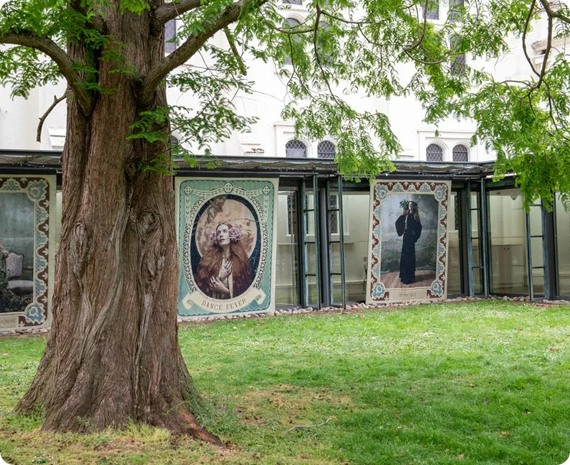



Why Polyester Tapestries Are a Smart Choice for Modern Homes
“Your walls set the mood before anything else does.”
That idea pretty much sums up where modern interior styling is headed, and polyester tapestries are right at the center of it. They have become one of the most widely used synthetic fabrics in home furnishings because of their durability and high-performance print quality. For renters and homeowners, that means aesthetic walls without long-term commitment or high upkeep.
But there’s more to it than just looks. A polyester tapestry offers a surprising range of practical benefits that make it a smart choice for modern spaces. In this blog, we break it all down, so let’s swoop into why everyone’s loving them right now.
Polyester Tapestries for Modern Home StylingPolyester tapestries deliver durability, vibrant print quality, and strong resistance to moisture, mold, and daily wear, fitting modern interiors effortlessly. Their lightweight, shape-retaining fabric stays smooth, fade-resistant, and easy to maintain. Ideal for renters, they enable flexible, damage-free styling and frequent decor updates. Cost-effective yet long-lasting, they support creative layering, framing, and spatial enhancement. Quality Tapestries provides customizable designs for personalized, contemporary wall aesthetics for modern living spaces today perfectly. |
Why Polyester is Better Than Other Tapestry Materials For Modern Homes?
Mechanical Strength And Shape Retention
A polyester wall tapestry is built like tiny tanks; the fibers have high tensile strength, so they’re way less likely to tear, fray, or sag than cotton, linen, or rayon wall hangings. Because polyester is thermoplastic, tapestry makers can heat‑set the fabric, which basically “locks in” the shape and drape, so your tapestry doesn’t slowly warp at the edges the way natural fibers tend to over time.
Color And Print Sharpness


When it comes to color, polyester is that friend who never stops looking good in photos. The dyes sit inside the fiber, not just on the surface, so prints stay bold and saturated even in bright rooms where cotton or linen would start looking washed out. On top of that, the smooth, consistent filament surface allows high‑definition printing (especially dye‑sublimation), so detailed designs, gradients, and photography-style prints look sharper compared to any other material.
Environmental And Chemical Resistance Inside A Home
For real modern homes with humidity, AC, and the occasional steamy kitchen, polyester wall hangings just survive better than the “aesthetic” naturals. It barely absorbs moisture, which means it’s way less inviting to mold and mildew compared with cotton or other plant-based fibers that literally act like a snack for fungi.
It holds up better against everyday household chemicals and cleaning products, so an accidental spray or wipe-down is less likely to wreck the fabric or the print. Insects that love natural fibers (like moths going after wool) don’t find polyester tasty, so tapestries don’t need the same level of pest protection.
Low Maintenance For Modern Busy Life Use
Maintenance-wise, polyester wall art tapestries are very “hang and forget.” The fiber is naturally wrinkle-resistant, so it stays looking smooth without you having to iron or steam it every time you bump it while cleaning. Because it resists shrinking and dries quickly, you can actually wash it without stressing about it coming back smaller, distorted, or crunchy.
Easy to switch styles & renter‑friendly
Today, people easily get bored and need a constant refresh button for their decor without damaging the walls owing to constant replacement. Polyester tapestries are lightweight, flexible, and hang easily with removable hooks, command strips, or even adhesive clips, so you don’t need drills, nails, or wall anchors. That makes them perfect for renters and serial redecorators, you can swap designs for different seasons, trends, or moods without damaging the walls, and the fabric itself doesn’t stretch out or deform from being taken down and re-hung multiple times.
Cost And Longevity Sweet Spot
From a cost-versus-longevity angle, polyester wall tapestry hits that sweet spot most modern buyers are looking for. You get industrial-level durability and strong colorfastness at a lower price point than most “premium” natural fibers, and it keeps its look for years under normal home use. Meanwhile, cotton and linen can fade, wrinkle, and deform, wool can pill or felt, and silk demands delicate, expensive care, polyester just quietly does its job and still looks good.
How To Style Polyester Tapestries In Modern Homes: Quick Tips
Use them as big, graphic focal walls
Polyester takes high‑resolution digital prints really well, so lean into bold, oversized designs above your sofa, bed, or dining console to create a single, strong focal wall. Because the fabric is lightweight, you can cover a large area without needing heavy hardware, which makes it ideal for large-scale art moments in modern rentals or compact apartments.
Frame polyester panels for a cleaner, modern look
Instead of hanging a tapestry loose, stretch polyester over a slim wooden or metal frame to turn it into “fabric canvas art” The stable weave and low stretch make it easy to pull tight without warping the print. This works especially well with abstract, geometric, or line-art designs, giving you a gallery-style finish that reads more contemporary than boho.
Layer with other wall decor for depth
Polyester’s smooth surface and consistent drape make it easy to layer with shelves, mirrors, or framed prints without looking messy – you can hang a tapestry as a backdrop and float slim shelves or small frames in front. Because it doesn’t shed or distort easily, it’s great behind plants, fairy lights, or neon signs, giving that “textured backdrop” look that’s going viral all over social media.
Style as door or window softeners (without full blackout)
In modern homes with a lot of glass and hard lines, you can hang a polyester tapestry over or beside a doorway or large window to soften the frame visually without fully blocking light. Polyester’s low moisture absorption and UV resistance help it hold shape and color even near bright, slightly humid areas like balcony doors.
Create cozy corners and reading nooks
Use a polyester tapestry to wrap a corner or one side of a small niche: its flexible yet resilient drape lets you curve it slightly without stretching out the design. Add a chair, floor lamp, and a couple of cushions in colors pulled from the print; the soft fabric surface helps dampen echo and makes the corner feel more intimate in hard-surfaced modern flats.
Care and Maintenance Tips for Polyester Tapestries

Conclusion
Trends move fast, but your space should still feel like you. Go for pieces that flex with your vibe instead of locking you into one look. Check out Quality Tapestries for designs that mix modern aesthetics with everyday practicality. You can even customize your own tapestry, so your walls hit different every time. Keep it fresh, personal, and totally you, without trying too hard; that’s the vibe always on point.
FAQs
Q1. How do I choose the right polyester tapestry size for my wall?
Measure your wall space first and decide whether you want a statement piece or a subtle accent. Larger walls suit oversized designs, while smaller spaces need compact proportions for balance.
Q2. Do polyester tapestries release any chemical smell when new?
No, they don’t. Some may have a mild initial odor from packaging, which typically fades quickly after airing out in a well-ventilated space for a short period.
Q3. Do polyester tapestries affect room acoustics?
They can slightly soften sound reflections in a room, contributing to a more comfortable acoustic environment, especially in spaces with hard surfaces.
Q4. How do I know which design will match my room theme?
Look at your existing color palette, furniture tones, and lighting. Choose a tapestry that either complements those shades or adds a controlled contrast for visual balance.
Q5. What makes tapestries better than framed wall art?
They are more flexible, lightweight, and easier to replace, offering a softer, more dynamic visual appeal compared to rigid framed artwork.
Related Articles
Share this
Author: Michael Blasingame

Michael Blasingame is the co-founder and driving force behind Quality Tapestries, where he brings over a decade of passion for timeless textile art and exceptional customer service to every tapestry offered. Growing up in Visalia, California, Michael cultivated a love for creativity, music, and craftsmanship that now informs his work and leadership at the company. Together with his wife Ashley, he manages the business with a focus on quality, personal connection with customers, and a commitment to products that become cherished pieces in homes worldwide.