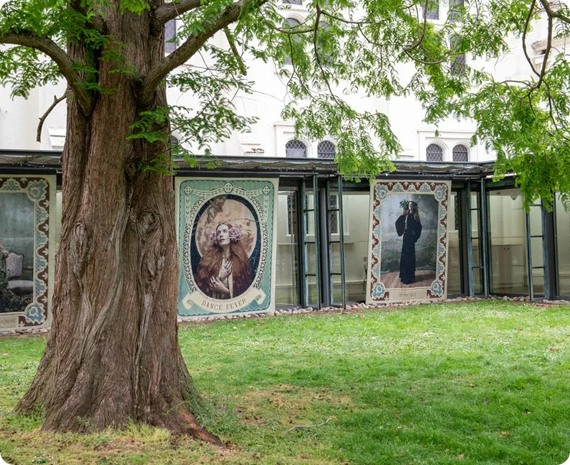



What Is A Tapestry, And How Is It Different From Other Wall Hangings?
Unlike flat wall art that relies solely on surface visuals, tapestries introduce a layered textile element that changes how a space looks and functions. Wall hanging tapestries are created through interlaced threads rather than printed designs. A tapestry has artistic and cultural significance that distinguishes it from other wall hangings, making it more than just a piece of fabric. However, many people still confuse the tapestries with similar decor pieces, overlooking what truly makes them unique. In this blog, we’ll explore what a tapestry is, how it’s traditionally made, and the key differences that separate it from other popular wall hanging options.
Overview of Tapestries in Wall DécorTapestries are detailed woven pieces that combine craftsmanship, texture, and durability. They add visual depth to walls, help soften sound, and provide warmth in interior spaces. Beyond decoration, tapestries reflect artistic traditions and are valued for their ability to enhance both classic and contemporary interiors with lasting visual and functional appeal. |
Understanding Tapestries: How They Stand Apart From Other Wall Décor
Tapestries are a distinctive form of wall décor that combines visual design with textile construction. Unlike many decorative wall pieces that rely on surface printing or paint, tapestries are created through a process where threads are interlaced to form both the structure and the artwork. This method gives tapestries qualities that go beyond appearance, making them different from most other wall hanging options used in homes today.
How a Tapestry Is Made?
A tapestry is produced on a loom, where threads are arranged and crossed to create patterns, images, or scenes. This traditional process is what distinguishes tapestries from other forms of woven wall art, as the design is created during the weaving itself rather than added afterward.
Elements involved in tapestry creation include:
-
Vertical threads that hold the fabric together
-
Horizontal threads that form the image and patterns
-
Careful color placement to create shading and detail
-
Dense thread arrangement for strength and clarity
Because the design is part of the structure, tapestries tend to hold their appearance for many years, making them a lasting form of hanging woven wall decor.
Materials Used in Tapestries


The materials chosen for a customized tapestry affect its weight, texture, and performance on the wall.
Commonly used materials include:
-
Wool, known for warmth and thickness
-
Cotton is valued for its flexibility and ease of care
-
Silk, used for fine details and smooth texture
-
Fiber blends, offering a balance between softness and durability
These materials give tapestries a heavier, more substantial feel compared to printed fabric wall hangings.
Differences Between Tapestries and Other Wall Décor
Although tapestries are often grouped with wall hangings, they differ in important ways.

Tapestries vs. Printed Fabric Wall Hangings
Decorative wall tapestries are created through intricate threadwork rather than surface printing, which means the design is woven directly into the fabric. In contrast, printed fabric wall hangings rely on ink or dye applied to the surface, making them more prone to fading or peeling over time. Because a tapestry’s pattern is part of the fabric itself, it maintains its texture for much longer.
Tapestries vs. Canvas Art and Framed Prints
Canvas art depends on paint or ink applied to a flat surface, giving it a smooth, two-dimensional appearance that is purely decorative. Tapestries, on the other hand, create dimension through layered threads, adding softness and depth to a wall. Beyond aesthetics, floral tapestries also offer functional advantages, such as improved sound absorption and added insulation, which can help with temperature control, benefits that canvas art does not provide.
Tapestries vs. Macramé and Textile Wall Art
Tapestries also stand apart from macramé and other textile wall art. Macramé focuses primarily on knots, textures, and patterns rather than detailed imagery. Tapestries can depict complete scenes, symbols, or artistic compositions, making them highly expressive. Vintage tapestries, in particular, are valued for their storytelling quality and traditional design elements, often reflecting cultural themes that go beyond decorative texture alone.
Functional Benefits of Tapestries in Interior Spaces
Tapestries have long been valued for more than decoration, and many of those benefits still apply today.
Practical advantages include:
-
Helps retain indoor warmth by adding an extra fabric layer to walls, which reduces heat loss and creates a subtle insulating effect in the room.
-
Protects wall surfaces from marks or wear by acting as a barrier between the wall and daily contact, preventing scuffs, fading, or minor damage.
-
Adds softness to rooms with hard materials like concrete or stone by balancing rigid surfaces with fabric texture, making the space feel warmer and more inviting.
These features make tapestries useful as well as decorative.
Artistic and Cultural Importance
Throughout history, tapestries have been used to communicate stories, traditions, and values. They often:
-
Show historical events or cultural themes
-
Reflect regional art styles and techniques
-
Serve as visual storytelling pieces rather than simple decoration
This background gives tapestries meaning beyond their visual appeal.
Use of Tapestries in Modern Interior Design
In modern interior design, tapestries are used as structured textile wall features that help define large, empty wall areas. Unlike framed artwork, modern tapestries are woven rather than printed, allowing the pattern and surface texture to be part of the fabric itself. This makes them suitable as woven wall hanging decor in contemporary homes where smooth walls and open layouts can feel visually incomplete without additional surface treatment.
Modern tapestries are lightweight, easy to install, and simple to replace, which suits modern interiors that prioritize changeable and non-permanent decor. In homes with open layouts, modern tapestries also help subtly define zones, such as separating lounge areas from dining spaces, without using partitions or bulky furnishings
Conclusion
As we’ve explored, tapestries are not just decorative pieces but meaningful textile artworks that bring texture to interior spaces. Choosing the right tapestry is about more than filling a wall; it’s about finding a piece that feels personal and fits naturally into your home. At QualityTapestries, we make that process easier by offering carefully selected, high-quality tapestry designs backed by decades of experience in home furnishings. Explore our collection or reach out with any questions; we’re always happy to help you find the right piece for your space.
FAQs
Q1. How Do You Choose the Right Tapestry Size for a Wall?
Choosing the correct size depends on the wall’s width, ceiling height, and nearby furniture. A tapestry should generally cover about two-thirds of the wall space it’s placed on, especially when hung above a sofa or bed. Oversized tapestries work well for statement walls, while smaller pieces are better suited for narrow or vertical spaces.
Q2. Are Tapestries Suitable for All Rooms in the Home?
Tapestries can be used in most rooms, including living rooms, bedrooms, home offices, and hallways. However, they are not recommended for areas with high moisture or humidity, such as bathrooms or kitchens, unless proper ventilation is present. Fabric type and room conditions should always be considered.
Q3. How Should a Tapestry Be Properly Hung to Avoid Damage?
Tapestries should be hung using rods, clips, or wall-mounted rails that evenly distribute their weight. Avoid using adhesives or sharp fasteners, as these can stretch or damage the fabric over time. Proper support helps maintain the tapestry’s shape and appearance.
Q4. Do Tapestries Require Special Cleaning or Maintenance?
Most tapestries should not be machine washed. Regular dusting or gentle vacuuming with a soft brush attachment is usually sufficient. For deeper cleaning, professional textile cleaning is recommended to prevent color fading or fabric distortion.
Q5. Can Tapestries Be Used as More Than Wall Décor?
Yes, tapestries are versatile and can also be used as bed backdrops, room dividers, or even temporary wall coverings in rented spaces. Their flexible nature makes them a practical option for both decorative and functional use.
Q6. What Should You Look for When Buying a Tapestry Online?
When purchasing a tapestry online, pay attention to material details, size measurements, weaving quality, and customer reviews. Clear product descriptions and responsive customer service are also important indicators of a reliable seller.
Related Articles
Share this
Author: Michael Blasingame

Michael Blasingame is the co-founder and driving force behind Quality Tapestries, where he brings over a decade of passion for timeless textile art and exceptional customer service to every tapestry offered. Growing up in Visalia, California, Michael cultivated a love for creativity, music, and craftsmanship that now informs his work and leadership at the company. Together with his wife Ashley, he manages the business with a focus on quality, personal connection with customers, and a commitment to products that become cherished pieces in homes worldwide.