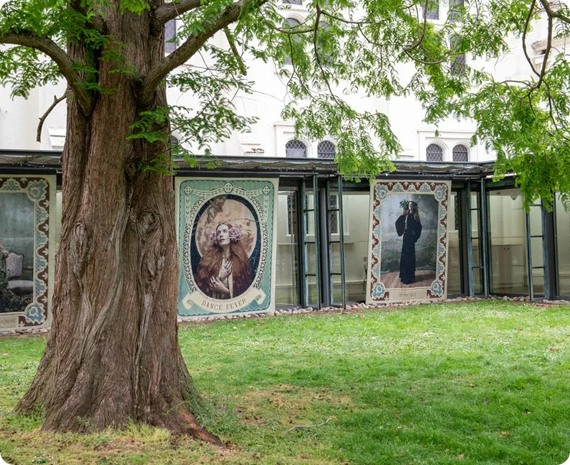



Common Mistakes to Avoid When Buying Tapestries for Home Decor
Whether you’re new to buying tapestries or someone who truly appreciates art, mistakes can happen to anyone. From choosing low-quality, worn-looking fabric to picking the wrong size, these small decisions can make a tapestry feel completely out of place in your home. We know how frustrating that can be when you’re trying to create the perfect aesthetic. That’s why choosing the right tapestry matters more than you think. A well-made, thoughtfully designed tapestry can instantly elevate your space. In this blog, we’ll guide you through common mistakes and help you choose a tapestry that not only looks great but feels perfect for your home.
Tapestry Buying Mistakes: Quick Overview GuideChoosing the right tapestry involves more than appearance. Incorrect sizing can disrupt balance, while poor fabric quality leads to fading and wear. Matching the tapestry with the room style and considering lighting ensures better visual harmony. Avoid overcrowding walls with too many pieces for a clean look. Checking reviews helps ensure quality and accuracy. Thoughtful selection enhances comfort and style, while tapestries remain versatile, easy to maintain, renter-friendly, and useful beyond wall décor. |
Mistakes to Avoid When Buying Tapestries Art For Home
Selecting The Wrong Sized Tapestry
It is common to select an incorrect tapestry size. There are two types of sizes - one being too small to fit upon the wall, making the tapestry lost on the wall, and the other appearing too large, which means it will dominate the space within. Always measure the design on the wall in your room to see if it will integrate with your room and create balance for a good visual appearance.
Not Coordinating With the Style of the Room


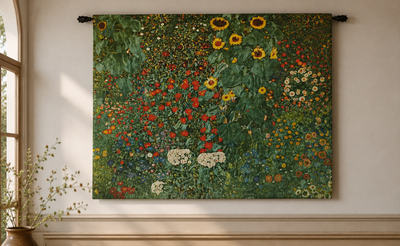
A tapestry should complement your room's design theme and feature similar design elements to the furniture. For instance, a verdure tapestry looks best in a room with a minimal aesthetic; otherwise, it can make the space feel visually uncoordinated. Like if your room has a modern setup with neutral tones and minimal furniture, adding a bright, heavily patterned bohemian tapestry can look out of place. Instead, a simple, abstract, or subtle design would blend better with the space.
Not Checking Reviews
Check reviews before you purchase. Reviews can give you a sense of the product's quality, colour accuracy, and size, as well as actual customer photos and honest opinions. By checking reviews, you will save yourself a lot of time in your purchasing decision and ensure you are buying a high-quality tapestry that fits your home's color and style.
Overlooking Weaving Technique
Some tapestries you see now are printed, not truly woven pieces. These might seem nice at first glance, yet they tend to feel flat, thin, and weak. Look closely after a few months, and the image could dull, split, or start lifting off. Because of that flaw, you need to inspect how it's made before buying. Pick customized tapestries that are built on a jacquard loom or shaped by hand instead. Those hold sharper patterns and stronger fibres, and keep their look for years longer.
Poor Colour Planning
Choosing the wrong color can disrupt the entire look of your space, as overly bright or dark tones can easily dominate the room if not balanced properly. This often leads to a mismatch with your existing décor and an unappealing overall feel. To avoid this, always consider how the tapestry's colour will contrast with your wall and how lighting, both natural and artificial, will affect its appearance, ensuring it blends well with the room rather than overpowering it.

How to Choose the Right Tapestry Hanging Style for Your Space?
Choose Placement Based on the Wall
Your piece should be positioned depending on its location on the wall. When placed in the middle above a couch or bed, it creates a balanced, aesthetically pleasing image. Big empty walls are helped by more extensive arrangements so they don't seem bare; a long rod will fill the wall without making it seem congested.
Match the Hanging Method to the Fabric
Different clothes respond differently; hang them in a way that suits them. Light, flowing fabrics are best worn when hanging freely in order to form soft, natural drapes. Thick or densely woven cloths are neater when stretched across a frame, a rod, as this helps eliminate wrinkled-looking formations and maintain their structure.
Allow for Flexibility and Easy Updates
Keep your display adaptable by changing it every few weeks. Clips and hooks make it easy to swap pieces quickly, while adhesives offer a simple, low-effort way to reposition items. If you prefer a more permanent setup, frames provide stability and are ideal for long-term arrangements.
Consider Height and Eye Level
The height at which you hang pieces can change the feel of a room. Eye-level placement creates a natural, comfortable focal point. Hanging items higher can make ceilings feel taller and rooms more open, while lower placements add a relaxed, cozy feel to the space.
Choose Hardware That Enhances the Look
The hardware will influence the overall aesthetics. Wooden rods or dowels will provide a warmer, more natural touch, whereas metal rods or clips will provide a smoother, modern or industrial look. To achieve a simple style, one may want to use invisible hooks to avoid drawing attention to the hooks that hold the fabric or artwork. For a minimal style, consider invisible hooks that keep the focus on the fabric or artwork itself.
Conclusion:
By avoiding these common mistakes and focusing on details like size, fabric, color, and style, you can achieve a more balanced look. This right tapestry wall decor can instantly enhance your space, and if you are looking for a place to get hands on the widest collection of handwoven tapestries, visit Quality Tapestries. Your one-stop shop for all kinds of tapestries. The best part you can even get one customised with us.
FAQs
Q1. Are tapestries applicable beyond decorating walls?
Tapestries are indeed very useful. You may use them as bedspreads, sofa coverings, picnic blankets, and more to add a creative touch to your room.
Q2. What is the frequency of washing my tapestry?
It is environment-dependent, but generally, a light dusting or mild cleaning every few weeks is sufficient. Very frequent care may be required in case they are in a high-industry area.
Q3. What is the proper way to hang a tapestry so I do not destroy the wall?
A tapestry can be hung by adhesive hooks, curtain rods or clips. These are simple to install and do not require drilling holes or destroying your walls.
Q4. Is it possible to make a custom tapestry design?
Yes, you can choose your own design, pattern, or personal photo to create a unique piece.
Q5. How can you keep a tapestry in the best possible condition when it is not in use?
It is better to fold or roll it to avoid deep creases. Keep it in a cool, dry place, preferably in a cotton bag.
Q6. Should renters choose tapestries?
Absolutely. Tapestries are a good decorative option because they can be easily hung and unhung, allowing people to decorate their space without any long-term alterations.
Related Articles
Share this
Author: Michael Blasingame

Michael Blasingame is the co-founder and driving force behind Quality Tapestries, where he brings over a decade of passion for timeless textile art and exceptional customer service to every tapestry offered. Growing up in Visalia, California, Michael cultivated a love for creativity, music, and craftsmanship that now informs his work and leadership at the company. Together with his wife Ashley, he manages the business with a focus on quality, personal connection with customers, and a commitment to products that become cherished pieces in homes worldwide.