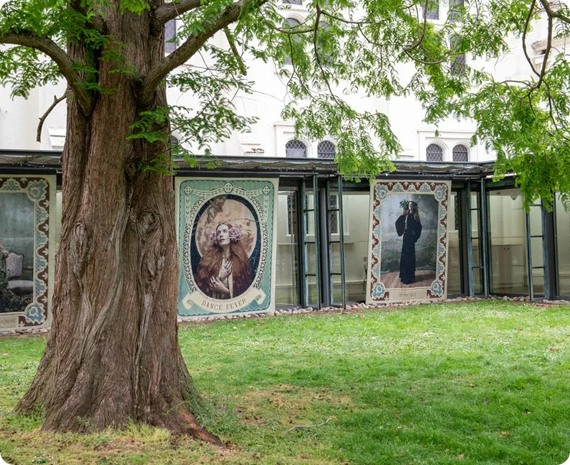



How Vintage Tapestries Were Made in Medieval Times?
Vintage tapestries were among the most prized possessions of European royalty and nobility, often recorded in royal inventories alongside jewels and crowns. From the 14th century to the 16th century, many potently renowned weaving institutions, such as Arras and Brussels, came up with outstanding masterpieces that were commissioned by many prominent monarchies of France, England, and Burgundy. Nowadays, these are sold at a really high price due to their quality and matchless art. However, a true art enthusiast would definitely be interested to know what went into the making of these valuable items. Well, just to lessen curiosity, let’s take a look at how these valuable items were made during the vintage era.
Overview of Medieval Vintage TapestryVintage tapestries were meticulously handcrafted in medieval Europe using specialized high-warp and low-warp looms, full-scale cartoon designs, and weft-faced weaving techniques. Production involved premium materials such as English wool, imported silk, and metallic threads, with teams of skilled artisans dedicating months or years to complete large-scale woven artworks of exceptional detail and durability. |
How Were VintageTapestries Originally Made?
Vintage tapestries were woven by hand on specialized looms that built intricate images directly into the fabric rather than applying decoration afterward. Unlike modern printed décor, this method ensured that every large tapestry wall hanging carried its design within the structure of the textile itself.
Below, we explore in detail the structured process, tools, materials, and advanced weaving methods that defined vintage tapestry production.
The Structure of the Medieval Loom
In the production of vintage tapestries, there was a technique known as weft-faced weaving carried out using large wooden looms. These large wooden looms were specifically made to offer precision in weaving. They were made from two large rollers, each carrying tightly pulled warp threads. These warp threads formed the underlying framework, preparing to carry what would eventually become a comprehensive and intricate piece of tapestry wall art, aimed to be placed in various sorts of castles, churches, and estates. In larger production centers like Flanders and France, wool was commonly used in warp threads; in German production, linen was commonly used due to its tensile strength.
High-Warp and Low-Warp Systems
Two forms of loom setting have been identified in medieval weaving: high-warp looms and low-warp looms. In high-warp loom weaving, the warp was threaded vertically, and the weaver had to weave from directly in front of it. In contrast, in making textiles on a low-warp loom setting, the warp threads are stretched horizontally, allowing a weaver to attack them from above. Because weaving was executed from the reverse side, designs created on low-warp looms required mirror-image preparation to ensure correct orientation once completed and displayed as a hanging tapestry.
The Role of the Cartoon Design
Every tapestry began with a full-scale preparatory drawing known as a cartoon. This detailed template determined composition, scale, and color placement long before the first thread was woven. In high-warp workshops, the cartoon was hung behind the loom for visual reference. In low-warp setups, it was placed beneath the warp threads, which allowed for highly intricate pattern execution. The precision of this design phase was crucial, as the cartoon guided the tapestry maker in translating a painted composition into a woven textile with accurate proportions and visual depth.
The Weaving Process in Detail
Weaving relied on the formation of a “shed,” a narrow opening created by lifting alternating warp threads. Colored weft threads, wound onto small bobbins, were passed through the shed in controlled sequences. The weaver interlaced the weft over one warp and under the next, then reversed the pattern on the return pass through a newly formed shed. After several passes, a comb-like tool was used to beat the weft downward, compacting the threads so that the warp foundation became completely concealed. This method produced the dense, image-bearing surface characteristic of true tapestry, allowing even a large tapestry to maintain structural integrity over centuries.


Advanced Techniques and Visual Effects
By the fifteenth century, Flemish weavers developed techniques such as hatching, which used interlocking triangular segments of varying color to simulate shading and tonal gradation. This innovation allowed woven imagery to achieve painterly depth without blended dyes, elevating each custom-made tapestry into a highly detailed visual narrative. The integration of silk threads enhanced luminosity, while subtle variations in thread density created texture in garments, landscapes, and architectural elements, giving depth and realism to the finished composition.
Materials and Their Impact on Quality
The quality of the materials used had a great impact on durability, brilliance, and price. Most tapestries were woven from high-grade wool originating from England or Spain because of its strength and good dye-holding qualities. Luxury commissions included silk imported from Italy or Spain in order to heighten color intensity. The most expensive pieces included gold- or silver-wrapped silk produced in Venice or Cyprus, enormously increasing both the material cost and visual sumptuousness for the large commissions, as a large tapestry wall hanging meant to fill huge castle chambers and halls for ceremonies.
Labor, Time, and Production Scale
The craft of tapestry making involved teamwork and extensive labor. Records show that an accomplished tapestry maker could finish about one square yard in a month in average circumstances. More intricate designs requiring high warp densities made the task much slower. A large tapestry of six by nine yards could take five tapestry makers over ten months. Vast texts with narratives, ordered by royal commission, could involve scores of people and take well over a year.

Conclusion
Now that you have explored woven art, you can better appreciate how the techniques perfected centuries ago continue to influence the quality and character of the pieces available today. And if you are looking to bring one home, visit Quality Tapestries. With selections woven in North Carolina and others imported from Belgium, France, and Italy, our every tapestry reflects careful sourcing and a commitment to excellence. Explore our collection today and discover a tapestry that tells your story.
Frequently Asked Questions
Q1. What makes vintage tapestries different from modern forms of tapestry wall art?
Traditionally, antique tapestry pieces are created with weft-faced weaving, whereas contemporary tapestry wall art may not be woven at all and is often fabricated through printing techniques.
Q2. What are some ways to check if a large tapestry wall hanging is woven and not printed?
A genuine woven item will always display visible interwoven threads at the back, along with natural variations in texture and hues that are produced by the threads themselves rather than by ink.
Q3. Are vintage tapestries appropriate for use as a large wall tapestry in contemporary homes?
Yes, their imagery is highly detailed and their textures are rich, making them suitable for decorative use, particularly as a tapestry displayed on a living room, dining room, or foyer wall.
Q4. What is the proper way to hang a tapestry?
It is important to hang the tapestry evenly using a supporting rod, sleeve, or mounts that prevent tension on the fabric while helping it maintain its shape.
Q5. Can I get a custom tapestry made in a medieval theme?
Yes, especially when working with an experienced tapestry maker. It is possible to commission a custom-made tapestry that incorporates historical-themed designs according to your specific requirements.
Q6. Do large tapestry pieces require special care?
Large-scale tapestry works should not be exposed to direct sunlight for extended periods. In addition, they require professional cleaning to maintain their longevity.
Related Articles
Share this
Author: Michael Blasingame

Michael Blasingame is the co-founder and driving force behind Quality Tapestries, where he brings over a decade of passion for timeless textile art and exceptional customer service to every tapestry offered. Growing up in Visalia, California, Michael cultivated a love for creativity, music, and craftsmanship that now informs his work and leadership at the company. Together with his wife Ashley, he manages the business with a focus on quality, personal connection with customers, and a commitment to products that become cherished pieces in homes worldwide.