


Exploring Tapestry Artworks: A Complete Guide
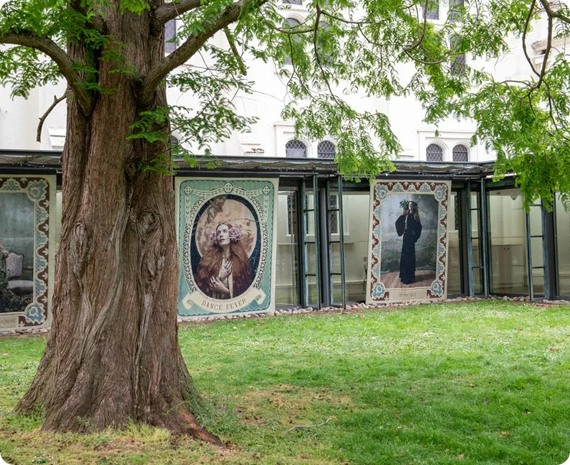
Tapestry art has enthralled people for centuries, with artists combining creativity and skills to weave masterpieces that carry both functional and historical significance. These works show how cultures, methods, and materials have changed throughout time, from the epic narrative hangings of medieval Europe to modern textile installations. But the intricate processes, styles, and terminology used for these artworks have often proved to be an obstacle for people trying to learn more about their rich heritage. That’s where this guide comes in. It doesn't matter whether you’re an art enthusiast, collector, student, or simply curious, for this comprehensive guide will walk you through the history, techniques, and types of tapestry art, helping you choose the perfect piece for your space!
Quick Overview of Tapestries: History, Uses, and StylesTapestries are versatile textile artworks that combine history, functionality, and decorative appeal, ranging from medieval wall hangings to modern fiber sculptures. They serve practical purposes in homes—such as bed covers, curtains, rugs, and upholstery—while also acting as artistic displays like framed panels, room dividers, or ceiling canopies. Understanding their materials, weaving techniques, and styles helps buyers select the right tapestry for aesthetic, cultural, and functional needs. This guide provides a complete overview of tapestry types, uses, and care tips to enhance any living or art space. |
Types Of Tapestries Used In Various Spaces
For Home and Living
Bedspreads and Bed Covers
Tapestry bed covers are a favorite among buyers for the heavy feel they provide in the sleeping experience, without looking too bulky. Most people choose reversible patterns in cotton-wool blends, cotton-silk, or pure wool, woven with jacquard, handloom, or damask weaves that create patterns directly in the fabric, as these patterns help the knit last longer. The most popular prints for bedspreads are florals, paisleys, and geometric medallions, alongside classic European and Indian motifs.
Table Runners
The primary use of runners is to protect tables from heat, moisture, or scratches, while maintaining a decorative appeal. This is precisely why their weave is typically dense and made of midweight fabrics like cotton, linen, or blend jacquards that easily lay flat and don’t clash with the dining table’s material. The typical buyer prefers handwoven runners with artisanal patterns, subtle embroidery, or metal threads to add a touch of elegance to formal dining areas.
Curtains and Drapes
Are you looking to reduce noise and improve insulation without compromising the aesthetics of your space? Tapestry curtains are the perfect pick for you! Such drapes in the market are woven from a variety of materials, such as heavier brocades, which are chosen for drafty or noisy rooms, while lighter cotton blends suit sunlit spaces. Modern homes are mostly seen having drapes covered in European damask patterns and Middle Eastern floral motifs.


Door Hangings or Torans
A doorway instantly feels warmer and more inviting with a lightweight tapestry toran. Made with hand-loomed cotton, thin linen, or soft wool, torans drape beautifully while letting air flow through. They often feature tiny block prints, delicate florals, or meaningful motifs like lotus, peacocks, or koi. Tassels and fringes are used to add movement to the hanging.
Chair and Seat Covers
When you need a seat that withstands daily use, seat cover tapestries made of jacquard, dobby, or chenille fabrics are the go-to, as jacquard makes the pattern strong and long-lasting, and chenille provides a soft finish that hides signs of abrasion. Kilim- or tribal-inspired flatweaves are selected for dining chairs because their tight surface resists snagging from frequent movement. The removable covers are easily machine-washable in case of spills.
Upholstery Panels
Now you can save a worn-out sofa in minutes by adding tapestry panels to the backrest or arms, where pet claws and spills do the most damage. Some people even choose quilted panels for a little extra padding and comfort. A smart design trick buyers use is picking vertical stripes or long medallions to make low-backed chairs look taller, and the whole room feels more spacious than it actually is!
Floor Mats and Runners
Entryways and hallways often get the most foot traffic, which is why tapestry floor mats are an excellent buy. Tapestries are constructed using flatweave cotton, wool, or wool-cotton blends that are durable, quick to dry, and can be shaken or lightly washed without damage. Slightly textured weaves or rubberized backing prevent the chances of slipping, especially on staircases. For customers who lean towards a more artisanal feel, Handwoven Dhurrie and kilim rugs are a great choice.
Pillow Covers
When buying tapestry pillow covers, people often look for slightly raised stitching or small, hand-embroidered details, giving the sofa setting a curated feel. Covers in nubby cotton add texture, linen-cotton blends keep them breathable, while sturdier fibers like hemp and bamboo make sure the cover lasts through regular wear. Some covers even help furniture, like a carved chair or vintage settee, stand out without adding extra décor.
For Art and Show
Tapestry Panels (Framed or Stretched)
One of the smartest ways to display a tapestry is to frame it. Framing protects the fabric from dust, sunlight, and daily wear, keeping patterns crisp for years. Thick wool or jacquard panels hold their shape naturally, while lighter cotton or linen work best with stretcher bars. Framed pieces are easier to sell, gift, or move between rooms as well.
Ceiling and Canopy Tapestries
Ever wish your ceiling had more personality? Draping a tapestry overhead softens sound in echoey rooms and makes tall spaces feel cozy. Light cotton, linen blends, or thin wool drape naturally without sagging, while patterns like muted geometrics, florals, or ikat-inspired prints draw your gaze upward. Canopy tapestries are perfect for bedrooms, allowing you to hide imperfections, soften harsh lighting, and instantly make the room feel cozier.
Room Dividers and Screens
To create functional zones in open layout spaces, buyers skip flimsy sheets and choose heavy room dividers with double-sided weaves like Jacquard, as it weaves its design directly into the fabric, creating a reversible "wall". They often add a hidden rod to the bottom hem to keep the fabric taut and swap thumbtacks for sleek ceiling tracks to avoid a "dorm room" look. Natural fibers like wool are the top choice because they muffle noise and block light as well, without the permanence of drywall.
Banner and Flag-Style Tapestries
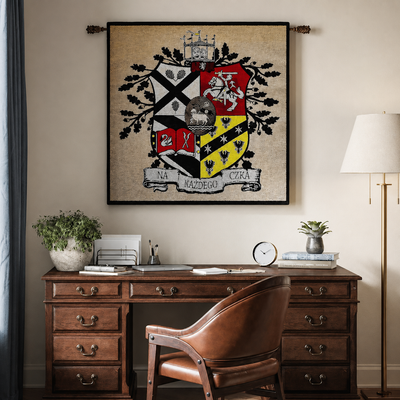
These vertical pieces are the go-to solution for narrow walls, columns, or tight corners where standard art feels cramped. Since they usually hang from a single point or a small crossbar, buyers have found them relatively easier to install compared to a heavy frame. Buyers love them for showing off bold symbols or long, graphic patterns that draw the eye upward.
Altar and Meditation Cloths
In homes with dedicated prayer corners, altar cloths with mandala and lotus patterns are a great addition, providing a flat, stable surface for candles, incense, or small objects. Commonplace meditation cloths are woven from heavier fabrics such as wool or dense cotton to stay in place, and stitched edges prevent fraying. You can pick a size that perfectly covers your table corner to make it look more orderly.
Types of Artform Styles
Historical Tapestries
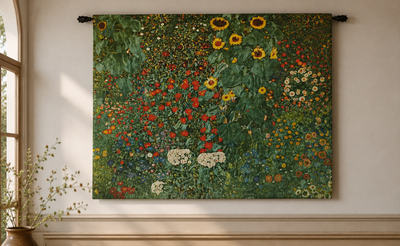
In the Middle Ages and the Renaissance, tapestries were vital for royalty and the church. They insulated cold stone walls and served as portable displays of wealth. Key examples include the Bayeux Tapestry, an embroidery documenting the 1066 Norman Conquest, and the Unicorn Tapestries, which used animal symbolism to represent purity. Later, France’s Gobelins factory created tapestries with millefleurs (thousand flowers) patterns, using dense floral backgrounds to depict nature and mythology.
Modern Tapestries
In the 20th century, tapestry evolved into fine art. Artists like Magdalena Abakanowicz transitioned from flat hangings to 3D fiber sculptures. Today, many artists use computerized Jacquard looms to turn digital images into fabric quickly. They also use materials like wire, recycled plastic, and synthetic yarn. In modern architecture, these textiles are used for acoustic attenuation, as the thick fabric absorbs sound and reduces echoes in large, open rooms. This shift combines digital technology with industrial materials for modern use.
Conclusion
Having read this guide, it’s clear that tapestries are more than décor; they’re a way to transform your home. At Quality Tapestries, every piece is crafted with care. Whether you’re looking for a striking wall tapestry hanging, a cozy bed cover, or a unique accent, our collection offers something to elevate every space. To start your tapestry journey, explore Quality Tapestries today!
FAQs
Q1. Are tapestries safe for homes with pets or children?
Yes. Most are made from durable, non-toxic fibers built to handle daily wear in busy households.
Q2. How do I clean and maintain them?
Use a vacuum on a light setting or spot clean gently. Avoid machine washing and harsh chemicals to prevent fiber damage.
Q3. How do I choose the right size?
Measure your wall first. Leave a margin around the edges so the space doesn't look crowded. Large pieces act as focal points, while smaller ones fit narrow walls.
Q4. Will hanging them damage my walls?
No. If you use rods, Velcro strips, or tension systems, the weight is distributed evenly without ruining paint or plaster.
Q5. Are tapestries heavier than standard art?
Yes. The dense fabric is heavier than canvas, which helps the piece hang flat and prevents the edges from curling over time.
Related Articles
Share this
Author: Michael Blasingame

Michael Blasingame is the co-founder and driving force behind Quality Tapestries, where he brings over a decade of passion for timeless textile art and exceptional customer service to every tapestry offered. Growing up in Visalia, California, Michael cultivated a love for creativity, music, and craftsmanship that now informs his work and leadership at the company. Together with his wife Ashley, he manages the business with a focus on quality, personal connection with customers, and a commitment to products that become cherished pieces in homes worldwide.