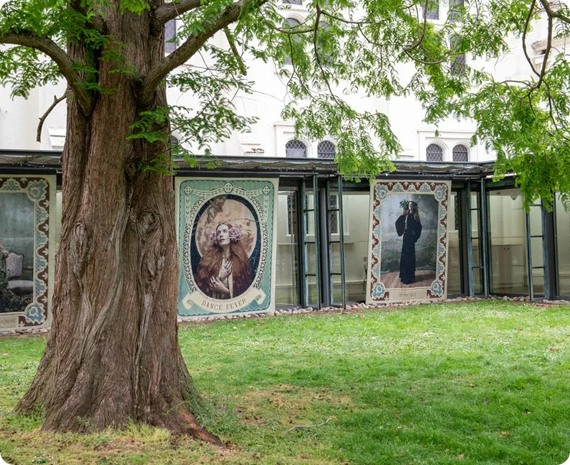



What Areas Are Known For Their Historic Tapestry Weaving?
Let’s take you back in time to when Westerners wove their stories into the fabric in the form of tapestries. Each region used its own kind of thread, a particular type of dye, a specific color, and a pattern for tapestry weaving. Moreover, these regions even had a signature substance for their tapestries; it could be a palace, flowers, animals, motifs, or anything else. These later became their identification mark. This is what makes tapestry weaving unique and an intriguing art form. To help you spot the region where a tapestry comes from, we have detailed this blog with areas that were best known for this historic art style and what is special about each one of them.
Threads of Tradition: A Quick SummaryHistoric tapestry weaving blends storytelling with skilled craftsmanship, shaped by distinct materials, dyes, and weaving methods. Belgium mastered detailed narrative scenes with wool, silk, and rich natural dyes, while France favored painterly shading and elegant pastoral designs. Italy embraced Renaissance artistry with silk and metallic accents, and the United States introduced modern fibers and experimental styles. Together, these traditions show how technique, texture, and creativity transformed thread into enduring works of art. |
Historic Tapestry Weaving: Regions Known for the Craft


Belgium
History
When you are talking about tapestry weaving, you can’t do that without mentioning Belgium. This country, especially the regions of Flanders and Brussels, became a tapestry powerhouse in the 15th and 16th centuries. These tapestries for wall decoration were made for royal courts of Europe and were commissioned to depict
-
Biblical stories
-
Historical battles
-
Mythological scenes.
What’s makes them special?
Here’s what went into these tapestries that made them so special:
-
These tapestries used wool warp and weft as the base.
-
To make the tapestries stand out, silk and metallic threads were used.
-
Natural dyes like madder for red, woad for blue, and weld for yellow were used to achieve vibrant color palettes.
-
The art of weft‑faced hand weaving on vertical (high‑warp) or horizontal (low‑warp) looms was used to detail the image.
-
Flemish weavers pioneered hatchings (hachures), small color gradation triangles that mimic painterly shading.
How they’re made today
Today, Belgian workshops still use hand‑dyed wool and silk with natural or modern acid/reactive dyes and traditional loom techniques, though some luxury weavers experiment with new fibres for contemporary wall hanging tapestries.
Check the most popular Belgian tapestries
France
History
The art of making tapestries came to France in the 14th century. This was first done in Aubusson and Beauvais. These tapestries became famous for their stunning color transitions. These woven wall arts depicted pastoral and figurative scenes, particularly popular in Rococo and Neoclassical periods.
What’s makes them special?
Here are the standout features of these art pieces:
-
Wool warps and wefts were used in tapestry weaving with silk wefts for tonal modulation and sheen.
-
Natural dyestuffs included indigo (blue) and madder/rubia (red), among others, to produce color gradation for pastoral and floral motifs.
-
Weavers specialized in low‑warp (horizontal) tapestry looms, with wefts inserted in sections only where needed.
-
High thread counts (fine grain) in later centuries allowed imagery with painterly subtleties.
How they’re made today
Aubusson and Beauvais tapestry makers continue using traditional hand-weaving on high-warp looms. Contemporary artists now also design tapestries by combining historical motifs with new artistic styles.
Check the most popular French tapestries
Italy
History
Italy is another region that is highly acclaimed and appreciated for its tapestries. Here, the Medici tapestry workshop began making tapestries first. These were inspired by classical paintings and frescoes. The Italians used these in churches and public buildings. These blew up during the Renaissance, with Florence and Venice as major centers.
What’s makes them special?
In these tapestries, you will see:
-
Use of wool warps with wefts of silk and metal‑wrapped threads
-
Yarn quality and dye processes were strictly controlled in major workshops
-
Silk was often used to render fine details
-
Metallic accents emphasized divine or regal figures
-
Natural plant and mineral dyes were common historically
How they’re made today
Italian tapestries are still handwoven on traditional looms. Some modern ateliers reproduce vintage tapestries, while others experiment with contemporary art, mixing materials and techniques for both decorative and artistic purposes.
Check the most popular Italian tapestries
The USA
History
Did you know the art of tapestries entered the region through European immigrants and the Arts and Crafts movement? Well, yes, the westerners learned the art from them in the late 19th and early 20th centuries and later ruled the markets. Here, the tapestries were often experimental and incorporated local themes.
What’s makes them special?
The western tapestries involved:
-
These were made using wool, cotton, linen, silk, and mixed fibres.
-
Weavers here used natural and professional acid/reactive type dyes.
-
These tapestries incorporated abstract, symbolic, or experimental textures.
They often emphasize contemporary storytelling rather than aristocratic or religious subjects.
How they’re made today
U.S. tapestries are handwoven on both vertical and horizontal looms. Artists experiment with mixed fibers, synthetic dyes, and innovative textures, creating hanging woven wall decor for galleries, museums, and private collectors.
Check the most popular American tapestries

Conclusion
By now, it’s easy to see that tapestry weaving isn’t just decoration, it’s storytelling stitched with generations of tradition. Now, if you wish to bring one of these pieces of history home, you can do that with Quality Tapestries. We offer beautifully crafted designs inspired by these historic techniques, so you can enjoy museum-worthy artistry right at home. Check out our collection today!
FAQs
Q1. Can tapestries work in modern interior décor?
Yes, in fact, now that historic art is trending everywhere, tapestries are a super cool addition to any new modern interior. You can get a single large tapestry to make a statement, or smaller tapestries can be clubbed to make proper wall art.
Q2. How do I choose the right tapestry size for my wall?
To ensure the right tapestry size for your wall, you need to measure your wall and then leave some room around the edges. Next, match the sizing you just figured out to the sizes given on the website before purchasing.
Q3. Are woven tapestries better than printed ones?
Undoubtedly yes! Woven designs are more durable as they are stitched and reinforced into the fabric.
Q4. Can tapestries be used as throws or furniture covers?
Many medium-weight tapestries double as throws or couch covers. Just ensure the weave is sturdy enough for regular handling and washing if you plan everyday use.
Q5. Are tapestries suitable for renters or temporary décor?
Definitely. They’re lightweight, easy to hang, and removable without permanent wall damage, making them perfect for apartments, dorms, or anyone who likes changing décor frequently.
Related Articles
Share this
Author: Michael Blasingame

Michael Blasingame is the co-founder and driving force behind Quality Tapestries, where he brings over a decade of passion for timeless textile art and exceptional customer service to every tapestry offered. Growing up in Visalia, California, Michael cultivated a love for creativity, music, and craftsmanship that now informs his work and leadership at the company. Together with his wife Ashley, he manages the business with a focus on quality, personal connection with customers, and a commitment to products that become cherished pieces in homes worldwide.