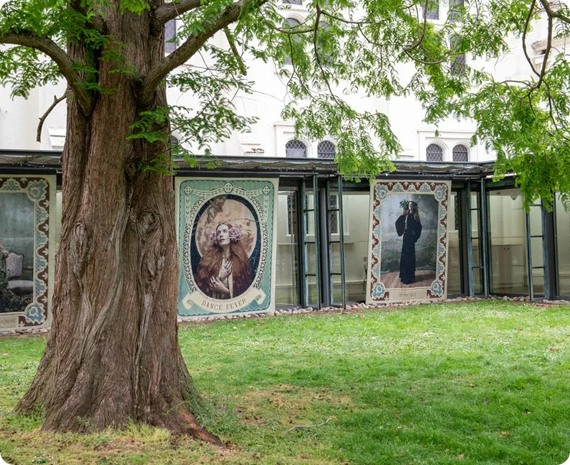



What Kinds Of Materials Do People Use To Make Tapestries These Days?
Unlike today, in medieval times, the tapestries were made of silk and wool. However, if you go to an art gallery today, you will see some modern weavers who use an unusual and more diverse choice of materials. This is due to evolution in the textile industry and its art practice, which has opened the doors to the still-expanding range of materials available to today’s weavers and provides an opportunity to experiment further. Curious about the types of materials? Don’t worry, this blog post will cover it all. In this, you will learn about modern tapestry wall hanging materials and their relevance in tapestry art and design culture. Without any delay, let’s get into it!
Overview of Contemporary Tapestry MaterialsContemporary tapestry weaving incorporates an expansive range of materials beyond traditional wool and silk. Natural fibers like cotton, linen, and wool remain popular for their workability and aesthetic qualities, while synthetic options, including acrylic and metallic threads, offer durability and distinctive visual effects. Modern artists increasingly experiment with unconventional materials such as recycled textiles, wire, and plant-based fibers, expanding creative possibilities. Material selection depends on factors including project scale, environmental exposure, artistic intent, and sustainability concerns. This diversity reflects how ancient weaving traditions continue evolving while maintaining technical foundations that have endured for centuries. |
Modern Tapestries: What Materials Are Used Today?
Traditional Natural Fibers
-
Wool: Wool remains the most dominant choice in the field of tapestry weaving. With its natural crimp and texture, wool readily locks into the design while weaving to create a strong, steady structure that will hold its shape for many years. One of its popular types is Merino wool. It offers exceptional softness and is favored for pieces requiring fine detail.
-
Cotton: With a nice, smooth and matte finish, the result of cotton weaving will display commendable structure and fine geometric design. And, due to their lack of elasticity, cotton threads make it easy to hold and apply tension.
-
Silk: Silk is much more expensive than other materials, but it is widely used due to its reflective qualities. These tones shift with changing lighting conditions, adding depth and dimension to finished pieces.
-
Linen: Weavers use linen in textile wall hangings because it is very strong and lasts a long time. It is good for holding tension in the loom and also supports more complex patterns. It is also smooth, which helps create clean, crisp patterns.
Synthetic and Blended Materials
-
Acrylic yarns: They have gained acceptance in contemporary tapestry wall hangings. Artists value them for their colorfastness, affordability, and ease of washing. Their consistent quality and a wide range of colors work well for large-scale installations and outdoor pieces.
-
Metallic threads: These threads incorporate reflective elements such as aluminium, copper, and steel that catch light dramatically. These yarns are best to use for finer details or to achieve contrast when mixing matte and shiny textures.
-
Nylon and polyester: The combination of both is widely used in tapestry wall art weaving, especially in the pieces displayed in frequently used spaces. This is likely because of the low-maintenance, moisture resistant, and non-stretching properties of both fibers.


Unconventional and Experimental Materials
Modern tapestry artists increasingly incorporate non-traditional materials to challenge conventions and expand artistic possibilities:
-
Recycled textiles: Keeping up with the popularity of the repurposing movement, modern tapestry artists are using recycled textiles, especially repurposed clothing and fabric scraps, to expand the potential of the medium visually and technically. These materials provide varied textures, patterns, and color variations that often carry historical or cultural significance, replicating the vintage tapestry wall hangings.
-
Paper and raffia: In tapestries, artists use some unusual materials, such as paper yarn, made from twisted paper strips, which create a light and airy, delicate, and sculptural effect. Paper yarn and raffia allow some weaving techniques that are experimental and contribute to the environmental responsibility of the textiles.
-
Wire and metal strips: The use of wire, copper threads, and very thin strips of metal adds new dimensions and structural stability to woven tapestries. Unlike all of the traditional fibres that are soft, the metals retain their form and can be used to construct raised elements. This means that artists can use the metal fibres, along with the soft fibres, to form geometric shapes and designs.
-
Natural plant materials: The use of natural materials, such as the woven grasses, reeds, and bark, that provide a more organic texture and depth to woven pieces, are used to connect the poetic of modern weaving with the ancient craft of basketry and textile weaving.
Material Properties Comparison

Considerations for Material Selection
Considering which materials to use will depend on a number of factors. The size of the project will affect what materials you use. For example, large tapestry wall hanging may allow the use of less expensive materials such as acrylic or wool blends, while small works in a gallery may warrant more expensive silk or hand-dyed fibres. Apart from this, there are still some important considerations that you cannot miss when choosing the material. Here is the list:
-
Environmental exposure: The materials used for tapestries must consider if the tapestries will be displayed in the open air or if they will be in humid surroundings. This is because mold, fading, and deterioration can be caused by the environment. The natural materials will be outperformed by the synthetic if the environment is challenging.
-
Artistic intent: When it comes to mixing textures, some artists will use rough linen along with smooth silk. Artists that work with dyeing may choose materials that provide the broadest tonal range.
-
Sustainability concerns: When it comes to mixing textures, some artists will use rough linen along with smooth silk. Artists that work with dyeing may choose materials that provide the broadest tonal range.
To Wrap Up
Tapestry materials that are made today are a mixture of both heritage and experimentation. Ultimately it is the artist’s decision on what materials to use depending on what they feel most comfortable with, the kind of tapestry they are making, and what kind of art they are trying to convey. If you want some inspiration, you can check out the collection at Quality Tapestries. We have an amazing collection of of wall tapestries woven in the USA and Europe. You can select from variant sizes and designs made from different materials.
FAQs
Q1. What is the most durable material for tapestries?
When it comes to natural fibers, wool will be the most durable and is the only material made to withstand the test of time. Some medieval wool tapestries are still intact after 600 years of being in existence. If you are looking for a synthetic material, then acrylic or nylon are both great options and will last a long time.
Q2. Can you mix different materials in one tapestry?
Sure. Many contemporary weavers intentionally use different materials to add textural variation and visual interest. When mixing materials, it is important to consider how different fibers will behave when stretched. Still, it is a common practice.
Q3. Can I use synthetic materials for fine art tapestries?
That depends on what art piece you are using this for and what kind of gallery you are displaying it in. Natural fibers are traditionally thought of as the "better" option for art galleries, but contemporary fiber art actually values synthetic materials as they have some unique properties. For example, synthetic materials are great for colorfastness and durability.
Q4. What materials should I use for my first tapestry?
Start by getting some medium weight wool yarn, as it is the easiest to work with. Wool is also very elastic and will help you maintain consistent tension as you develop your skill, and will make correcting mistakes easier to fix.
Q5. What materials are best for outdoor tapestries?
Synthetic fibers, like acrylic, polyester, or treated nylon, are your best outdoor materials as they do not retain moisture or mold like natural fibers do. If you decide to use natural fibers for your outdoor tapestries, apply a protective treatment to the fibers and use a darker color that will not show UV fading as much.
Related Articles
Share this
Author: Michael Blasingame

Michael Blasingame is the co-founder and driving force behind Quality Tapestries, where he brings over a decade of passion for timeless textile art and exceptional customer service to every tapestry offered. Growing up in Visalia, California, Michael cultivated a love for creativity, music, and craftsmanship that now informs his work and leadership at the company. Together with his wife Ashley, he manages the business with a focus on quality, personal connection with customers, and a commitment to products that become cherished pieces in homes worldwide.